
What is a Ureterocele?
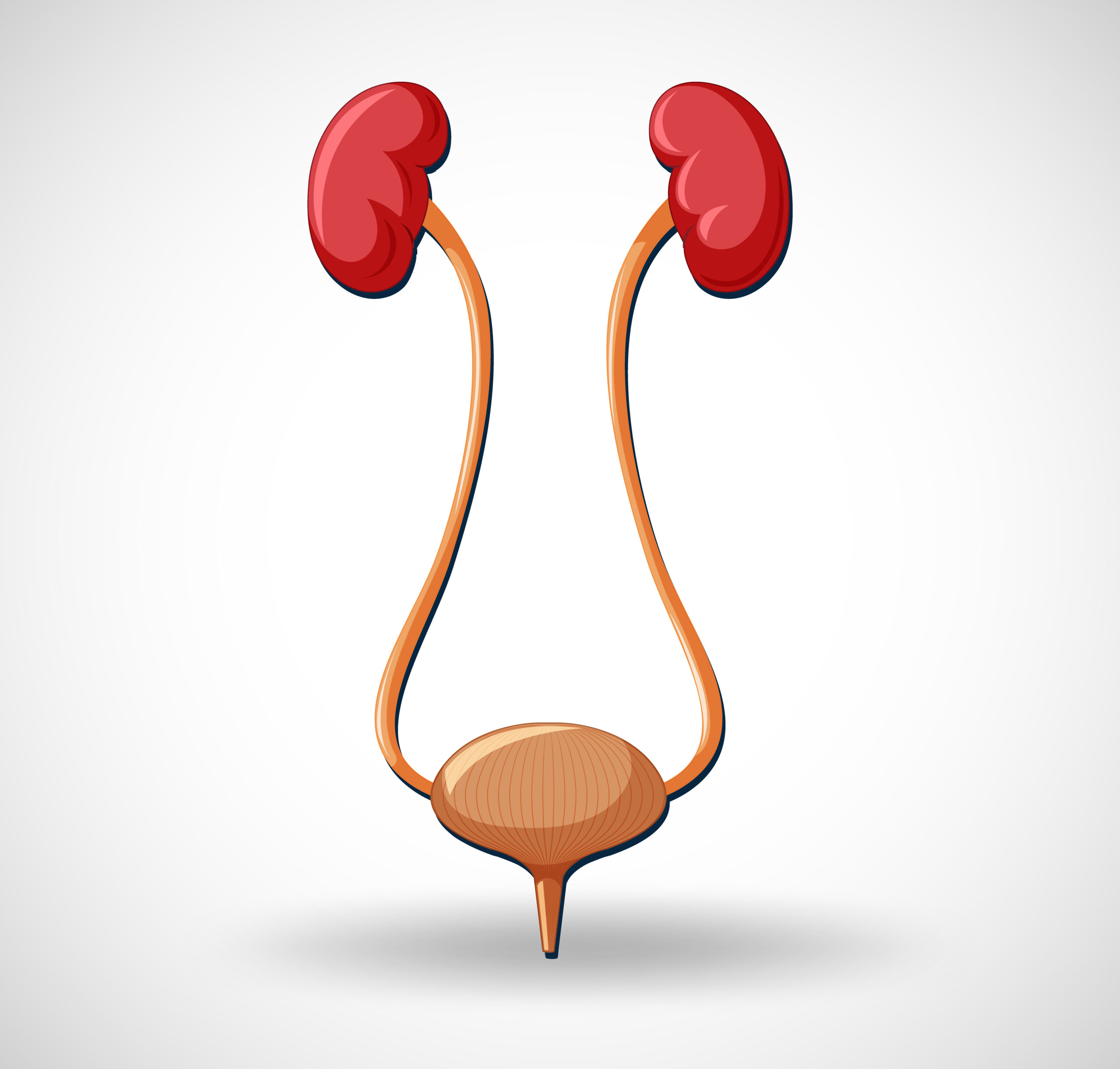
A ureterocele is a swelling at the end of the ureter, the tube that carries urine from the kidney to the bladder. This condition can block urine flow and may cause problems in the urinary system. Ureterocele can affect both children and adults. However, it is often found in children during tests for urinary problems. Early detection helps prevent complications. According to the CDC, early treatment can protect kidney health.
Symptoms of Ureterocele
Many people with a ureterocele may not notice symptoms at first. Still, some signs can appear as the swelling grows. Recognizing ureterocele symptoms early can help prevent further issues. Common symptoms include:
Sometimes, symptoms may be mild or not appear at all. But if you notice any of these signs, it is important to seek medical advice.
Causes and Risk Factors
Ureterocele usually develops before birth. The exact cause is not always clear. However, it often happens when the end of the ureter does not form properly. This can lead to a blockage where the ureter meets the bladder. Some risk factors include:
Although most cases are present at birth, adults can develop ureterocele due to scarring or injury. Knowing the causes and risk factors can help with early detection.
How Ureterocele is Diagnosed
Doctors use several tests to diagnose ureterocele. Early diagnosis can prevent kidney damage. If your doctor suspects ureterocele, they may order:
Doctors may also use a special camera to look inside the bladder. This helps them see the ureterocele directly. According to the National Institutes of Health, these tests are safe and help guide treatment.
Treatment Options for Ureterocele
Treatment depends on the size of the ureterocele and the symptoms. In some cases, small ureteroceles may not need treatment right away. However, most people need some form of care. Common ureterocele treatment options include:
With proper treatment, most people recover well. Still, regular check-ups are important to prevent future problems.
Prevention and Lifestyle Tips
While you cannot always prevent ureterocele, some steps can help protect your urinary health. For example, you can:
Although these tips cannot stop ureterocele from forming, they can lower the risk of complications. Early action is key to keeping your kidneys and bladder healthy.
When to See a Doctor
If you or your child have symptoms like pain, blood in urine, or frequent infections, see a doctor soon. Early diagnosis and treatment can prevent serious problems. In addition, if you have a family history of urinary issues, regular check-ups are wise. The World Health Organization recommends seeking care if you notice any changes in urination or kidney health.
For personalized advice about ureterocele, consult Dr. Narendra Basarge. Early care leads to better outcomes and peace of mind.