
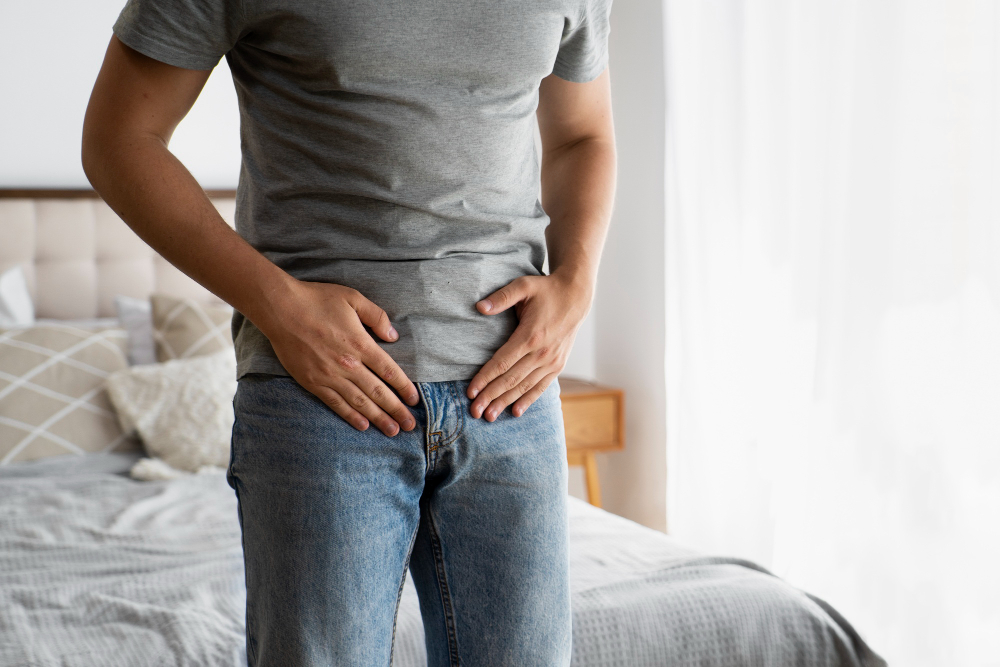
What is BPH?
BPH, or Benign Prostatic Hyperplasia, means the prostate gland is enlarged. This condition is not cancer. However, it can cause problems with urination. The prostate sits below the bladder and surrounds the urethra, which carries urine out of the body. As men age, the prostate often grows larger. Because of this, BPH is common in older men. According to the CDC, BPH affects about half of men over age 50. Although BPH is not life-threatening, it can affect daily life.
Common Symptoms of BPH
Many men with BPH notice changes in how they urinate. For example, symptoms may start slowly and get worse over time. Some common signs include:
Sometimes, BPH can cause sudden inability to urinate. If this happens, seek medical help right away.
Causes and Risk Factors
Doctors do not know the exact cause of BPH. However, several factors can increase the risk. For instance, age is the biggest risk factor. Most men over 50 will have some prostate growth. Other risk factors include:
Even though BPH is not cancer, it can cause similar symptoms. Therefore, it is important to see a doctor for proper diagnosis.
How BPH is Diagnosed
Doctors use several steps to diagnose BPH. First, they ask about your symptoms and health history. Next, a physical exam is done. Often, a doctor will check the prostate with a finger exam. In addition, tests may include:
Because symptoms of BPH can look like other problems, these tests help find the right cause.
Treatment Options for BPH
Treatment for BPH depends on how severe the symptoms are. Sometimes, mild symptoms need only regular check-ups. However, if symptoms bother you, several options exist. Common BPH treatment options include:
For example, medicines like alpha-blockers can help urine flow. In some cases, surgery may be needed if other treatments do not work. Always talk to your doctor about the best choice for you. If you are looking for BPH treatment in your city, many urologists can help.
Lifestyle Tips for Managing BPH
Simple changes can make living with BPH easier. For instance, try these tips:
Because small steps can help, talk to your doctor before making big changes.
Prevention and When to See a Doctor
Although you cannot always prevent BPH, healthy habits may lower your risk. For example, staying at a healthy weight and being active can help. However, if you notice any changes in urination, see a doctor. Early care can prevent problems. In addition, seek medical help right away if you cannot urinate or have pain.
In summary, BPH is common and treatable. If you have questions or symptoms, consult Dr. Narendra Basarge for personalized advice about BPH.