
Introduction
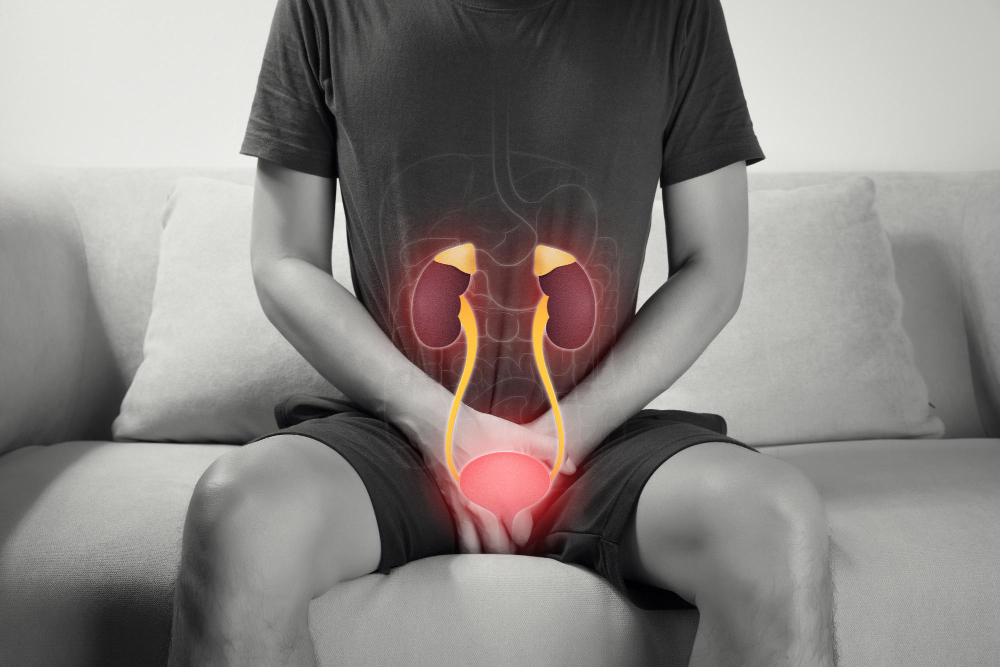
Bladder infections, also called urinary tract infections (UTIs), are common. In fact, millions of people get them each year. Women are more likely to have bladder infections, but men and children can get them too. Early signs of bladder infection are important to notice. If you treat these infections early, you can avoid serious problems. According to the CDC, bladder infections are one of the most frequent bacterial infections in the United States.
Early Signs and Symptoms
Recognizing bladder infection symptoms early can help you get treatment quickly. While symptoms can vary, some warning signs are more common. For example, you may notice:
However, not everyone has all these symptoms. Children and older adults may show different signs, such as confusion or new incontinence.
Causes and Risk Factors
Bladder infections happen when bacteria enter the urinary tract. Usually, the bacteria come from the skin or rectum. There are several common causes and risk factors, including:
Because of these risk factors, some people get bladder infections more often than others.
Diagnosis
Doctors use simple tests to diagnose bladder infections. First, they ask about your symptoms. Next, they may ask for a urine sample. This sample is checked for bacteria, blood, or pus. Sometimes, doctors send the urine to a lab for more tests. In rare cases, if infections keep coming back, you may need an ultrasound or other imaging tests. However, most bladder infections are easy to diagnose with just a urine test.
Treatment Options
Treating bladder infections early is important. Usually, doctors prescribe antibiotics. These medicines kill the bacteria causing the infection. Most people start to feel better within a day or two. However, it is important to finish all the medicine, even if you feel fine. In addition, drinking plenty of water helps flush out bacteria. For pain, your doctor may suggest over-the-counter medicine. If you have frequent infections, your doctor may recommend other treatments or tests.
Prevention Tips
There are many ways to help prevent bladder infections. Simple changes in daily habits can make a big difference. For example:
Because these steps are easy to follow, they can help reduce your risk of infection. The CDC and other health groups recommend these tips for everyone.
When to See a Doctor
Sometimes, bladder infection symptoms can get worse quickly. You should see a doctor right away if you have:
Additionally, if you are pregnant, have diabetes, or a weak immune system, do not wait to seek help. Early treatment can prevent serious kidney infections.
Conclusion
In summary, bladder infections are common but treatable. Early signs of bladder infection, such as burning, frequent urination, and cloudy urine, should not be ignored. Because quick treatment can prevent complications, it is important to act fast. Simple steps can help prevent bladder infections. Consult Dr. Narendra Basarge for personalized advice if you notice any early signs of a bladder infection.