
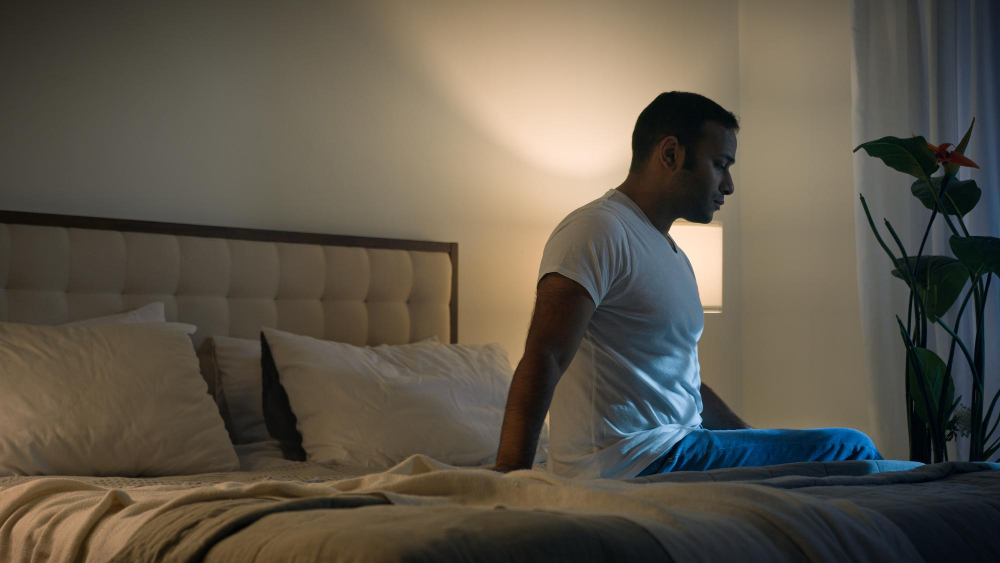
What is Nocturia?
Nocturia is a condition where you wake up at night to urinate. Many people experience this, especially as they get older. While it may seem minor, nocturia can disturb your sleep and affect your daily life. For some, it happens once a night. For others, it can occur several times. Because it interrupts rest, nocturia can lead to tiredness and trouble focusing during the day. If you often wake up to use the bathroom, you might have nocturia. Understanding this condition is important for better sleep and health.
Common Symptoms of Nocturia
Nocturia has clear signs. However, these symptoms can vary from person to person. If you notice any of the following, you may be experiencing nocturia:
Because these symptoms can affect your quality of life, it is important to pay attention to them. If they happen often, you should talk to your doctor.
Causes and Risk Factors
Nocturia can have many causes. Sometimes, it is due to simple reasons like drinking too much fluid before bed. Other times, it may signal a health problem. Here are some common causes and risk factors:
Because many factors can cause nocturia, it is important to find the exact reason. This helps in choosing the right treatment. According to the CDC and WHO, chronic illnesses and aging are common risk factors.
How Nocturia is Diagnosed
Doctors use several steps to diagnose nocturia. First, they will ask about your symptoms and medical history. Next, they may perform a physical exam. Often, you will be asked to keep a diary of your bathroom visits. This helps your doctor see patterns. In some cases, urine tests or blood tests are needed. Sometimes, your doctor may check for infections or other health problems. If needed, special tests like bladder scans or sleep studies may be done. Because diagnosis is key, always share all your symptoms with your doctor.
Treatment Options for Nocturia
Treating nocturia depends on its cause. Sometimes, simple changes can help. Other times, medicine or other treatments are needed. Here are common treatment options:
Because each person is different, your doctor will suggest the best plan for you. According to medical journals, a mix of lifestyle changes and medicine often works well.
Lifestyle Tips and Prevention
Making small changes can help prevent or reduce nocturia. For example, you can:
Because prevention is easier than treatment, these tips can help you sleep better. If symptoms continue, seek medical advice.
When to See a Doctor
Nocturia is common, but sometimes it signals a serious problem. You should see a doctor if:
Because early treatment can prevent complications, do not ignore these signs. Your doctor can help find the cause and suggest the right treatment.
In summary, nocturia can affect your sleep and daily life. However, with the right care, you can manage it well. Consult Dr. Narendra Basarge for personalized advice on managing nocturia.