
Introduction
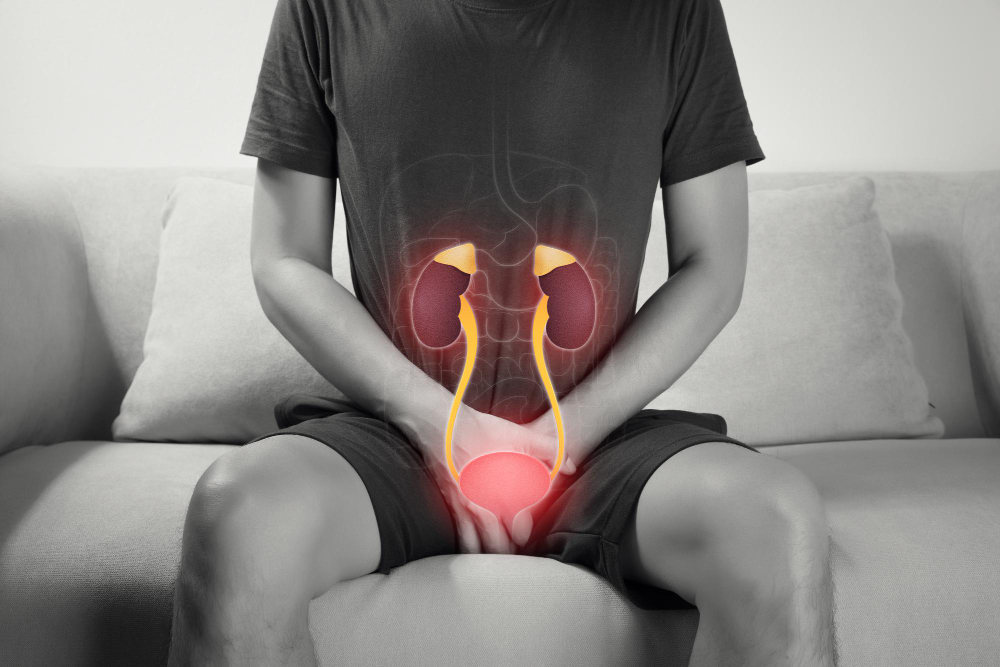
Voiding difficulty vs. urinary incontinence is a common topic in bladder health. Both conditions affect how you pass urine, but they are not the same. Voiding difficulty means trouble starting or finishing urination. In contrast, urinary incontinence means you leak urine when you do not want to. These problems can affect daily life and well-being. Because they are different, they need different treatments. Understanding the differences helps you seek the right care.
Key Differences Between Voiding Difficulty and Urinary Incontinence
Although both involve urination, they have clear differences. Voiding difficulty is about trouble emptying the bladder. For example, you may strain or feel a weak stream. On the other hand, urinary incontinence is about losing control. You may leak urine when you cough, laugh, or even when you feel a sudden urge. While both can be bothersome, they have different causes and treatments. Knowing the difference helps you talk to your doctor.
Common Symptoms of Each Condition
Each condition has its own set of symptoms. However, some people may have both at the same time. Here are the most common signs:
Causes and Risk Factors
Many things can lead to voiding difficulty or urinary incontinence. However, the causes are often different for each.
Age, family history, and lifestyle can also increase your risk. For example, smoking and drinking too much caffeine may make symptoms worse.
Diagnosis: How Doctors Differentiate Between the Two
Doctors use several steps to tell the difference between voiding difficulty and urinary incontinence. First, they ask about your symptoms and health history. Next, they may do a physical exam. Often, they ask you to keep a bladder diary. This means you write down when you urinate and any leaks. Sometimes, doctors use tests such as:
These steps help find the cause and guide treatment. According to the CDC and WHO, early diagnosis leads to better outcomes.
Treatment Options for Voiding Difficulty
Treatment depends on the cause. However, many people find relief with simple steps. Here are common options:
Doctors choose the best treatment based on your needs. Sometimes, a combination works best.
Treatment Options for Urinary Incontinence
There are many ways to manage urinary incontinence. For example, you may try:
Your doctor will help you choose the right plan. Often, lifestyle changes make a big difference.
Lifestyle Tips and Prevention Strategies
While not all cases can be prevented, healthy habits can lower your risk. Consider these tips:
With these steps, you can support your bladder health and reduce symptoms.
When to See a Urologist
Sometimes, symptoms do not improve with home care. In that case, it is important to see a urologist. You should seek help if you:
Early treatment can prevent problems and improve your quality of life.
In summary ,Voiding difficulty and urinary incontinence are different but treatable. If you have any urinary symptoms, consult Dr. Narendra Basarge for personalized advice.