
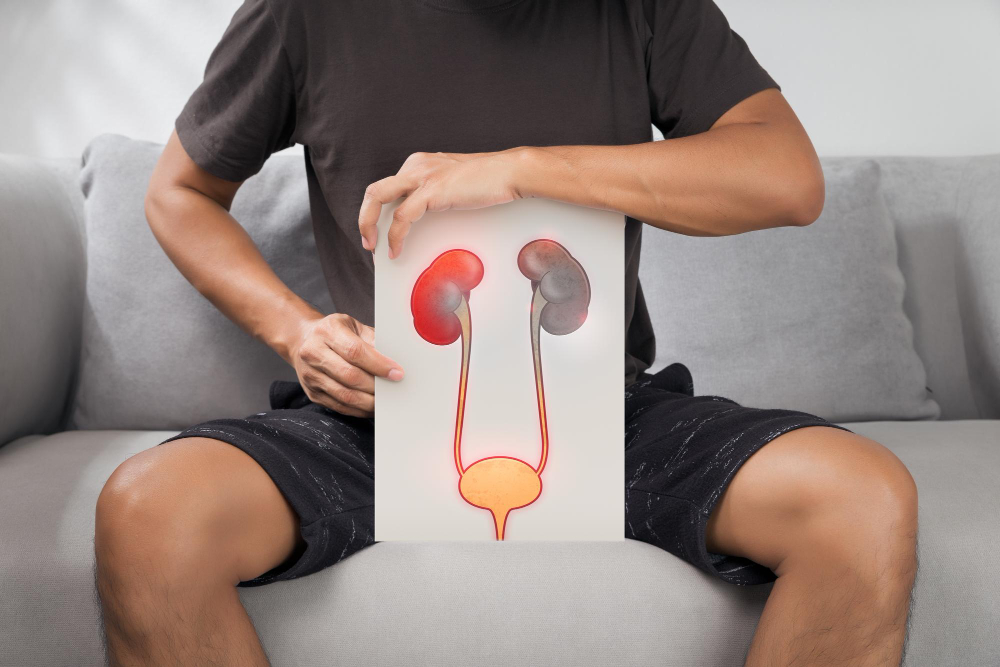
What Are Ureteral Stones?
Ureteral stones are small, hard deposits that form in the urinary tract. They travel from the kidney into the ureter, which is the tube connecting the kidney to the bladder. Because these stones can block urine flow, they often cause pain and other symptoms. Ureteral stones are also known as ureteric stones or kidney stones in the ureter. Understanding this condition can help you spot problems early and seek the right care.
Common Symptoms of Ureteral Stones
Many people with ureteral stones feel sudden pain. However, symptoms can vary based on the stone’s size and location. For example, small stones may pass without much discomfort. On the other hand, larger stones can cause severe pain and other issues. Watch for these common signs:
Because symptoms can be similar to other conditions, it is important to get checked by a doctor if you notice these signs.
Causes and Risk Factors
Ureteral stones form when minerals in urine stick together and create crystals. Over time, these crystals can grow into stones. Several factors increase your risk:
Although anyone can get ureteral stones, adults between 30 and 60 years old are most often affected. Knowing your risk can help you take steps to prevent stones.
Diagnosis Methods
Doctors use several tests to diagnose ureteral stones. First, your doctor will ask about your symptoms and medical history. Next, they may order tests such as:
Because early diagnosis helps prevent complications, it is important to see a doctor if you have symptoms of ureteral stones.
Treatment Options
Treatment for ureteral stones depends on the stone’s size, location, and your symptoms. In many cases, small stones pass on their own with increased fluid intake. However, some stones need medical help. Common treatment options include:
Because each case is different, your doctor will recommend the best treatment for you. For more details, you can ask about how to treat ureteral stones based on your situation.
Prevention Tips
Preventing ureteral stones is possible with some simple steps. Even if you have had stones before, these tips can lower your risk:
Because prevention is easier than treatment, making these changes can help you avoid future stones.
When to See a Doctor
Sometimes, ureteral stones can cause serious problems. Therefore, you should see a doctor right away if you have:
Early treatment can prevent complications. So, do not wait if you have these symptoms.
Conclusion
Ureteral stones can be painful, but they are treatable. By knowing the symptoms, causes, and prevention tips, you can take control of your health. Consult Dr. Narendra Basarge for personalized advice on ureteral stones.